
Europa League · online casino and electronic games for adults in Brazil

Europa League in focus: choose the game by context, not by haste.

Here, reading starts with the topics that appear most often in the interest of those exploring online casino: slots, live casino, table games, sports, bonuses and promotions. The editorial proposal is simple and practical: present each topic in clear language, highlight what changes between categories and help compare the path that makes the most sense for your reading profile.

Quick reading, without noise

Before opening a category, it is worth looking at the type of experience it suggests: pace, dynamics, rules, dealer presence, table interaction or focus on spinning mechanics. This difference greatly changes the decision of those who want to browse with more context.

Direct entries

Slots, table, live, sports, bonuses and promotions appear prominently to make comparison between topics easier.

Slots Live Table Sports
Context first

Each category starts with a useful question: what does this format deliver, for whom does it make the most sense, and which details deserve attention before moving on.

Real comparison

Instead of repeating generic promises, the text separates mechanics, pace and type of interaction to show concrete differences between the topics.

Responsible reading

The content respects the scope of the portal and refers to responsible gaming when the choice calls for more care, pause and attentive reading.

Highlights in mosaic format

The categories appear in blocks with different sizes and depth, so the reading does not become repetitive. Some cards prioritize image and summary; others include checklist, comparison or longer observations.

Europa League slots

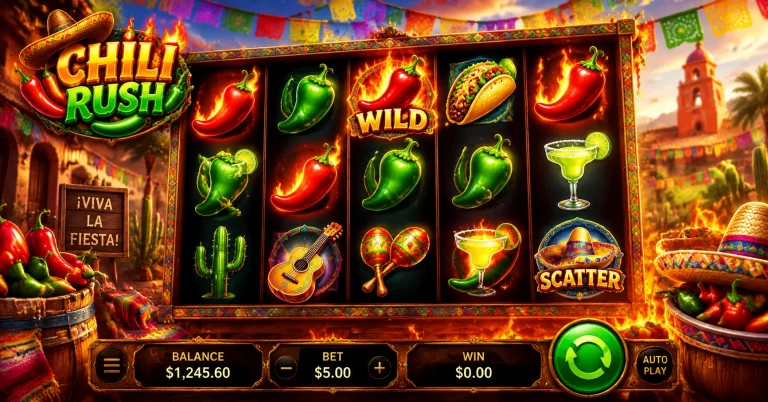
Slots: mechanics, themes and pace

For those who like visual variety and easy-to-understand rules, slots are usually the most intuitive entry point. The central point is not just spinning; it is noticing how symbols, lines and features change the reading of each title.

  • Observe the theme before starting.
  • Compare the payout structure when it is available in the game.
  • Notice whether the experience is lighter, more visual or more technical.
mechanics theme pace

Practical reading of slots

In slots, it is worth observing how each round organizes expectation between simplicity and surprise. Some titles prioritize easy-to-recognize symbols, while others use animations, extra features and busier screens to create a different reading of the game. Understanding this proposal helps you choose an experience that matches your way of playing, without relying only on the initial appearance or a quick first impression.

The theme also strongly influences the pace. There are slots with a classic feel, others inspired by adventure, fantasy, pop culture or elements of nature. When the visuals work well with the mechanics, the session usually feels more fluid and coherent. A very busy theme, on the other hand, can distract those who prefer total focus on the game dynamics and the organization of symbols.

Another useful point is noticing how features appear throughout the game. In some slots, special functions emerge more directly; in others, they depend on specific combinations and a more patient sequence. This changes the sense of progress and also the way each spin is followed, especially when the game uses visual effects to highlight important moments.

The payout structure, when displayed, deserves attention because it helps you understand what the slot values. Some games distribute returns better in simple combinations, while others concentrate the reading on more specific symbols or more detailed payout ranges. Reading this organization calmly avoids playing in the dark and makes comparison between titles much more objective.

The ideal pace varies a lot from person to person. There are faster slots, with clean screens and quick transitions, and others that require more observation because of visual layers, special symbols and bonus sequences. Instead of looking only for the most eye-catching game, it makes sense to notice whether the cadence matches the time you want to dedicate and the level of attention you prefer to keep.

In the end, the best way to evaluate slots is to combine theme, mechanics and reading speed in a single analysis. When these three points fit together, the experience tends to become clearer and more comfortable. This makes it easier to compare similar titles, identify the style you like most and choose games that make sense both visually and in the way they guide each round.
Europa League live casino

Live casino: presence, table and game reading

Here the dynamics change. The table brings another kind of attention, because the experience depends on following the dealer, the progress of the round and the logic of each table. It is a format that calls for observation.

If the idea is to feel closer to the gaming environment, this category helps you understand where interaction matters more than speed.

dealer table interaction

Practical table reading

In live casino, observing before acting makes a difference. The layout of the elements on the screen, the pace of the rounds, and the way the dealer guides each step help identify when the table is more fluid or more focused. In table games, this visual reading replaces haste and supports more consistent decisions, because each round brings signals that can guide the next choice without requiring constant improvisation.

It is also worth paying attention to the sequence of the game and the behavior of the cards, roulette wheels, or other elements shown live. Even without turning this into a formula, following simple patterns helps you understand the moment of the table and the kind of participation that fits your style. Instead of joining in on impulse alone, the user gains more context to decide when to follow along, when to wait, and when to switch tables.

The dealer’s presence is a central part of this experience, because it organizes the flow and makes what happens in each round clearer. This makes the environment feel closer to a real table and helps those who prefer to follow the game more calmly. Instead of relying only on the interface, the user observes gestures, pauses, and transitions that make the session more readable and less automatic.

Another important point is adjusting your attention to the type of game chosen. Some tables call for continuous follow-up, while others allow natural pauses between one round and the next. Understanding this difference avoids frustration and improves navigation within the category. In this way, live casino stops being just a showcase and becomes a space where pace, presence, and reading go hand in hand.

For those just starting out, the best path is usually to enter with a focus on understanding the table, not just the immediate result. Reading the game dynamics, recognizing the moments of greatest movement, and noticing how interaction happens helps you make better use of the category. This approach makes the experience clearer, because the user starts following the flow before trying to speed up their own participation.

In practice, the value of live casino lies precisely in this combination of observation and involvement. The table shows the game in real time, but it also requires attention to the context in which each decision happens. When this reading becomes more natural, the experience gains depth and the user better understands where interaction makes sense and where patience is part of the game.

Europa League table games

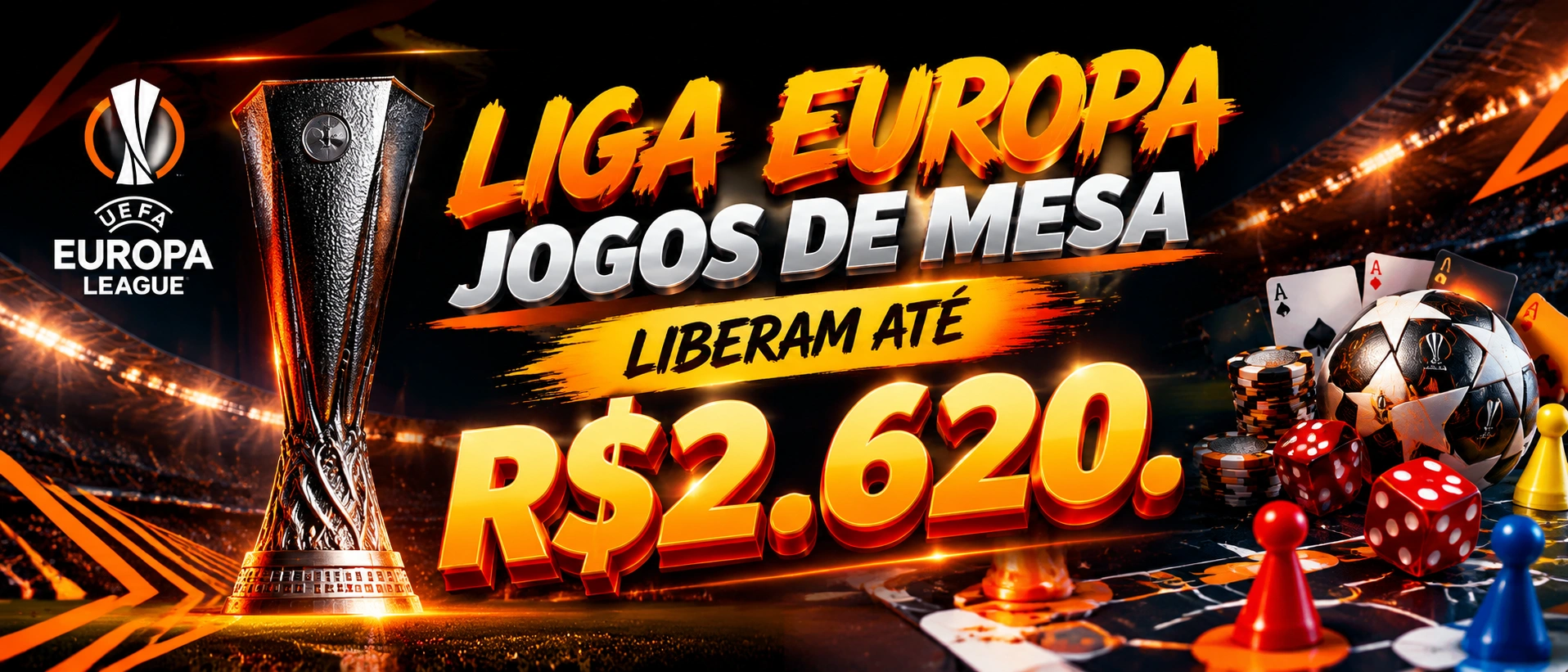
Table games: structure, rules, and decision

Table games usually catch the attention of those who prefer a more defined environment, with rules that are clear from the start. The editorial reading here focuses on what changes between formats and on the kind of decision each table requires.

When the rule is clear, the comparison becomes more honest: what is easy to follow, what depends on extra reading, and what calls for more patience.

rules decision comparison

Practical table reading

In table games, understanding the structure helps more than memorizing a fixed sequence. Each round usually follows its own logic, and this changes the way you observe cards, roulette wheels, bets, or allowed moves. The main point is to recognize how the action is organized before making a decision, because the table does not reward haste. Those who follow the pace attentively usually notice better when a choice depends on rules, context, or simply personal preference.

The rules also define how much active participation the match requires. In some tables, the person decides based on limited and clearly visible options; in others, reading the moment matters more than immediate action. This makes a difference for those seeking a more controlled experience, since the game may seem simple on the surface and still require constant observation. For this reason, it is worth separating what is basic mechanics from what is interpretation of the situation.

Another important aspect is the relationship between repetition and variability. There are tables where the structure remains stable, but the result changes with each round because of the game’s internal dynamics. In others, small choices greatly alter the perception of progress. This difference helps explain why two games that look similar can require different levels of attention. The reader gains more clarity when looking at the table pattern, not just the name of the format.

In practice, making good decisions in table games usually involves reading limits. Knowing when an option makes sense depends on observing what the rule itself allows and what it restricts. This avoids automatic decisions that often ignore details of the flow. The table works better when the person understands the real space for choice, because then the decision is more consistent with the progress of the match and less dependent on impulse.

It is also useful to think about the response time each table requires. Some formats favor quick, objective decisions, while others give more room to analyze the sequence before acting. This difference changes the experience and influences the way the person follows each step. Instead of looking for a single formula, it is worth noticing how the structure guides the pace and how that affects the reading of risk, opportunity, and continuity.

In the end, table games are easier to evaluate when structure, rules, and decision are read as parts of the same process. The table is not just a setting, but the set of limits and possibilities that guides each choice. When this relationship becomes clear, the comparison between formats becomes more precise, and the content helps you see the game with more criteria, without mixing personal preference with how it actually works.

Europa League sports

Sports: reading the scenario and current interest

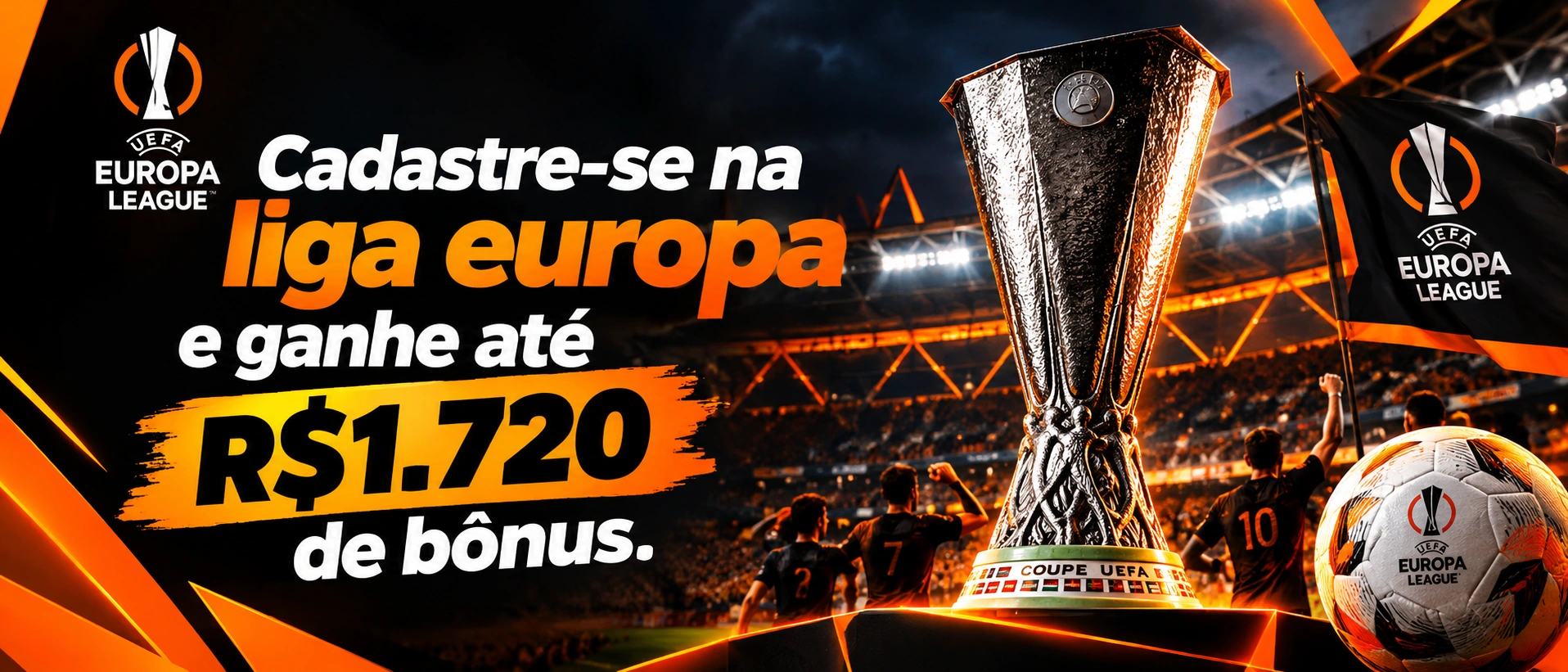
The sports category speaks to those who like to follow context, schedule, and competition. The editorial value lies in organizing interest without turning everything into a promise; the focus is on understanding the sports angle and how it fits into the portal.

scenario schedule interest

Editorial coverage and practical reading

In Europa League, sports coverage can highlight the reading of the moment based on context, without relying on exaggeration. This includes observing matches, competitions, and changes in pace that influence the interest of the adult audience, always with clear language and an informative focus. The idea is to help the visitor understand why a topic gains space and how it relates to the rest of the portal.

It is also worth separating sports information from immediate expectation: schedule, matchup, and editorial relevance are distinct points. When this organization appears consistently, the content becomes more useful for those who want to navigate between sports, live casino, and other topics on the site without losing sight of what is analysis and what is just following the scenario.

Europa League bonuses

Bonuses: read before you click

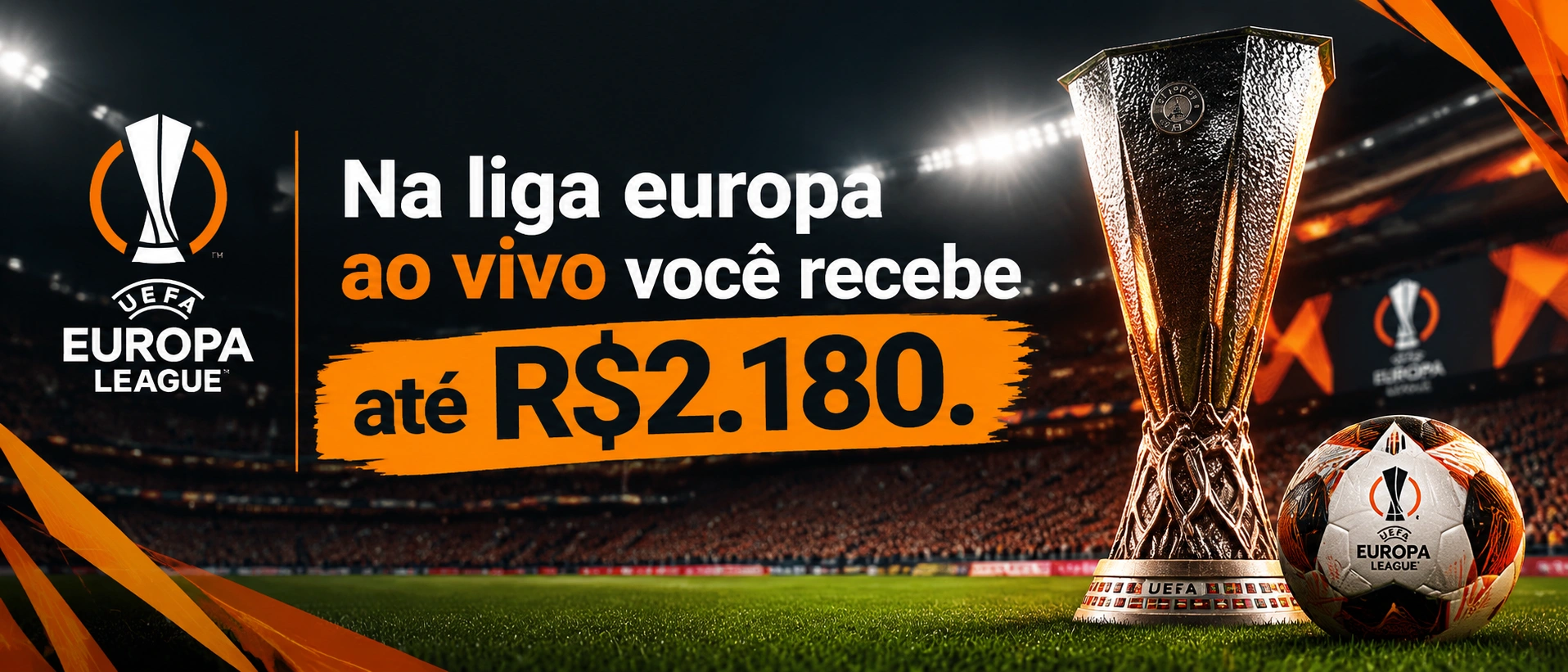
Bonuses deserve attention because the small print matters. Whenever conditions are available at the destination, reading should start with the terms and the real scope of the offer, without haste and without assumptions.

  • Check the conditions at the destination.
  • See whether the benefit applies to the format you want to explore.
  • Compare the bonus with the category it accompanies.
conditions terms reading
Europa League promotions

Promotions: what changes from one callout to another

Promotions work better when the person understands what is being highlighted. The role of this section is to separate announcement, context, and final destination, so that reading does not depend on rushed interpretation.

It is a useful space for those who want to calmly see the difference between grabbing attention and explaining what is actually available.

callout destination context

Useful routes to explore without repeating the path

This section brings together a horizontal row of cards, each with a different editorial focus. The idea is to help the reader jump between nearby topics without mixing game mechanics, offer reading, and portal context.

Access to slots in Europa League

When to start with slots

A good choice for those who want a direct entry point, with quick visual reading and a focus on familiar mechanics.

Open slots
Access to live casino in Liga Europa

When live makes more sense

Useful for those who prefer to follow the table, observe the dynamics, and compare the dealer’s presence with other formats.

Open live casino
Access to table games in Liga Europa

When the rule matters more

Recommended for those who like a defined structure and want to understand how each table organizes its own experience.

Open table games
Access to bonuses in Liga Europa

When the text matters more

A category that calls for careful reading, because the destination’s conditions say more than the initial headline.

Open bonuses
Access to promotions in Liga Europa

When comparing headlines

Helps separate what is editorial highlight from what is truly useful information before moving on to the destination.

Open promotions

Long reading, no rush, for those who want to understand the terrain

Liga Europa brings together topics that often appear together, but do not mean the same thing. Slots talk about mechanics and rhythm; live casino brings the table and presence; table games call for rules and decisions; sports pull in context and follow-up; bonuses and promotions require reading the conditions.

The best use of the portal is this: enter through the right category, compare what really changes, and move on only when the topic makes sense for your interest. There is no editorial shortcut for that.

  • If the question is about mechanics, start with slots.
  • If the question is about table presence, go to live casino.
  • If the question is about rules and structure, open table games.
  • If the question is about offers, read bonuses and promotions carefully, paying attention to the destination.
  • If the question is about sports coverage, the sports category helps situate the topic.

Questions that usually come up before the first choice

The answers below are not trying to sell anything. They organize the reading for those who want to understand what each area covers and how the topics relate within Liga Europa.

Where is it worth starting?

If you want a simple entry point, slots are usually the most direct place. If you prefer table and live follow-up, the reading changes tone right from the first category.

Why do bonuses and promotions appear separately?

Because a headline does not replace the conditions. Separating the two topics helps avoid rushed reading and makes it clearer what is highlight and what is rule.

Is the content only about games?

No. The portal also covers editorial context, responsible gaming, terms, and privacy, in addition to the main entertainment categories.

When should you look at the sports category?

When the interest is more tied to following, scenario, and reading the contest than to casino mechanics. It is a different angle, and that matters.

Liga Europa works with informational content in Brazilian Portuguese and organizes the topics for adult reading, with attention to context and the institutional pages available on the site itself.

English (Philippines)