
⚽
Pre-match
Compare context before the match starts.
At Liga Europa, sports coverage highlights market reading, pre-match, and live follow-up with an editorial focus. The idea is simple: understand the scenario before choosing, observe the pace of the match, and compare paths without falling into rushed guesses.
Four points that help separate useful observation from impulse. Short. Direct. Applicable when navigating between sports and other areas of the site.
Compare context before the match starts.
Read movement, not just the isolated number.
Observe the game as it changes pace.
Choose based on reading, not on haste.
Understand the event before comparing markets.
Sports reading starts before any choice: it is worth observing the type of competition, the teams' moment, and how the matchup usually unfolds. Instead of looking only at the expected score, the ideal is to bring together simple signals, such as the initial approach, likely pace, and differences between the teams. This helps turn scattered information into a more organized view, without relying on impulse or rushed interpretation.
In pre-match, context matters more than an isolated number. It is useful to check whether there is a lineup change, a strategy adjustment, or a shift in the match scenario, because each detail can alter the reading of the markets. It also makes a difference to notice whether the game tends to be more open or more locked down, since that influences how risks and possibilities are assessed before the opening whistle.
Odds serve as a reference, but they should not be read alone. Market movement can indicate expectation, but it still needs to be cross-checked with what happens on the field and with what was observed before the match. When the reading is more complete, it becomes easier to understand whether the value is in the overall context or just in a momentary impression. The focus should be on comparing signals, not chasing a number.
In live play, attention needs to follow the real pace of the game. A team may start better, lose intensity, or completely change its approach after an important play. That is why live sports reading requires observing the dynamics, organization, and response of each side throughout the match. What seemed favorable at the start may no longer be, and that change calls for calm to interpret the moment more accurately.
Criterion also means knowing what to leave aside. Not every piece of information deserves the same weight, and not every variation justifies a change in reading. The ideal is to separate consistent signals from noise, avoiding decisions based on haste, fandom, or overconfidence. When the analysis is done with discipline, the process becomes clearer and the user better understands why a certain reading makes sense in that scenario.
Within the Europa League, this reading works as a basis for navigating between sports and other areas without losing the logic. The goal is to keep the observation simple, useful, and aligned with the event, always focused on context, pace, and coherence. In this way, each match is seen as a set of information that needs to be organized before any choice, rather than an automatic response to the first impulse.
Some paths cross, but each area has its own focus. The comparison below helps make that clearer.
This cut avoids confusion between pages. It also helps find the right topic without repeating the same reading for everything.
To compare without mixing up the subjects, it is worth first observing the type of decision each page requires. In sports, the reading usually starts from the match, the schedule, the event context, and following the action. In slots, the focus shifts to the game structure, the interface, and the way the experience is organized on screen. In live casino, attention goes to the broadcast, the table dynamics, and the interaction available in that environment. When this starting point is clear, the comparison stops being generic and becomes functional.
Another useful criterion is to look at the language used in each topic. Sports tends to bring together terms linked to teams, competitions, and scenario analysis. Slots works with visual elements, symbols, and its own mechanics. Table games call for attention to the rules and the variations between formats. Live casino, in turn, usually mixes observation, pace, and real-time follow-up. If the vocabulary changes, the topic changes too, and that helps avoid the impression that everything belongs to the same category.
It also helps to separate what is consultation content from what is gameplay experience. On a sports page, the person may be looking for understanding of markets, events, or context reading. In slots, navigation is more guided by selecting the title and by the way the game is presented. In table games, the comparison usually involves dynamics, rules, and style of participation. This simple distinction prevents an expectation created in one topic from being automatically carried over to another.
When the comparison is made calmly, it becomes easier to see the function of each section of the portal. Some pages serve to explain the overall scenario; others exist to detail a specific format. Mixing everything usually gets in the way of reading and weakens the usefulness of the content. Separating the topics, on the other hand, makes the path more direct for anyone who wants to understand where each subject begins and where it ends. This applies both to the organization of the site and to the way each block of information is interpreted.
A good practice is to check whether the main topic answers a sports question or a game question. If the doubt involves event, performance, market, or match follow-up, the sports page tends to make more sense. If the doubt involves format, interface, rules, or gaming environment, the comparison should go to the corresponding area. This filter avoids cross-readings and helps keep the focus on what was actually searched for.
In the end, comparing topics without mixing everything is a more organized and less confusing way of reading. Instead of treating sports, slots, live casino, and table games as if they were the same thing, each subject gets its own space and its own logic. That makes navigation clearer and understanding clearer too. The result is a more objective experience, in which each page fulfills its function without competing with the others.
A compact table to cross-reference moment, question, and editorial focus. The goal is to look at the game with more method.
| Moment | What to observe | Useful question | Editorial focus | Related area | |
|---|---|---|---|---|---|
| Before | During | ||||
| Pre-game | Matchup, context, and event trend | — | Does the scenario make sense for this market? | Initial reading | Sports |
| Start | Lineup and expected pace | First minutes and match behavior | Did the game confirm the earlier reading? | Comparison | Sports |
| Halftime | — | Pace, possession, and shape change | Did halftime change the market reading? | Review | Live casino |
| Live | Entry plan and attention limit | Pressure change and team response | Does the game still support the same reading? | Control | Live |
| Closing | Record of what was observed | Result and final reading | What is worth keeping for the next analysis? | Editorial memory | Table games |
| Comparison | Cross formats and avoid automatic reading | Which area calls for more rules, which calls for more pace? | Conscious choice | Slots / Sports | |
The table uses an editorial cut. It does not promise results, does not invent an edge, and does not replace reading the real event.
Four steps. Each one fits into a few seconds of reading.
Straight answers, no frills. The focus remains on understanding the topic before choosing.
If the sports reading is already clear, it is worth cross-checking with other areas of Liga Europa and following the pace that matches your interest.
Guias para aprofundar o assunto, no seu ritmo.
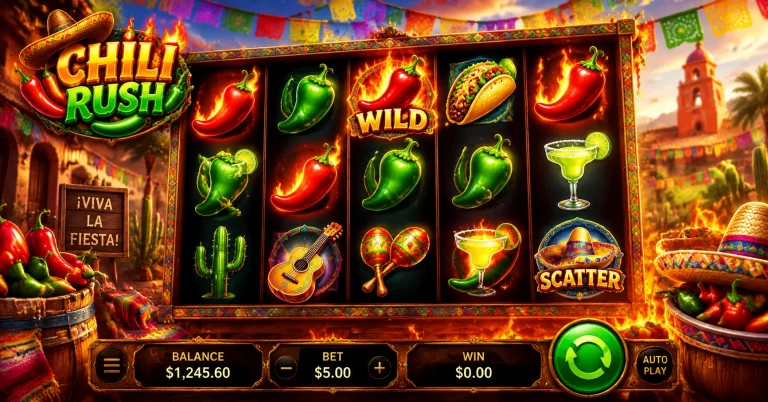
Goumenit gant chilli slot: Ur vuhez leun a startijenn war ar c'hoari slot Danvez Kinnig war-lerc'h ar chilli slot Mekanik ha arc'hanterezh ar chilli slot
Ler artigo ↗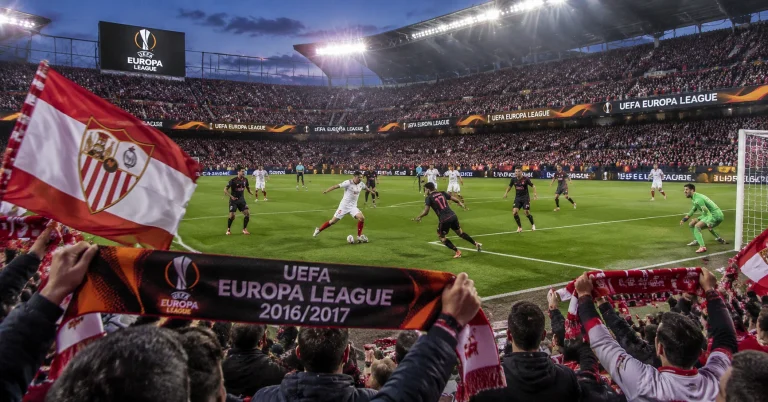
Análise detalhada da liga europa 2016/2017 tabela A liga europa 2016/2017 tabela apresenta uma visão completa do desempenho das equipes durante essa edição da c
Ler artigo ↗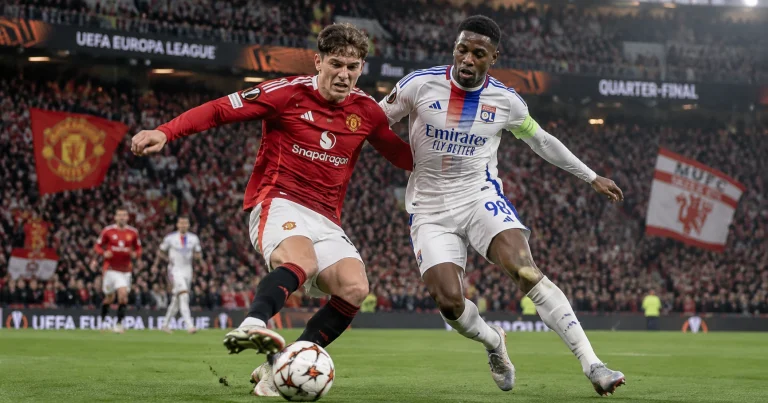
Kontign Disoc'hoù Europa League C'hwec'hvedenn Diwezhañ Rangadur Europa League Draouidi Europa League Kanal ha Digeriñ Europa League Ar Gwellañ Skorerien Eur
Ler artigo ↗